Most people believe they’re taking good care of their teeth, yet dental professionals see the same preventable mistakes repeatedly in their practices. These common errors can lead to cavities, gum disease, tooth loss, and expensive dental treatments that could have been avoided with simple changes to daily habits. Understanding these mistakes and how to correct them can dramatically improve your oral health and save you from uncomfortable and costly dental problems down the road.
The Top Dental Mistakes Damaging Your Oral Health
1. Skipping Regular Dental Checkups
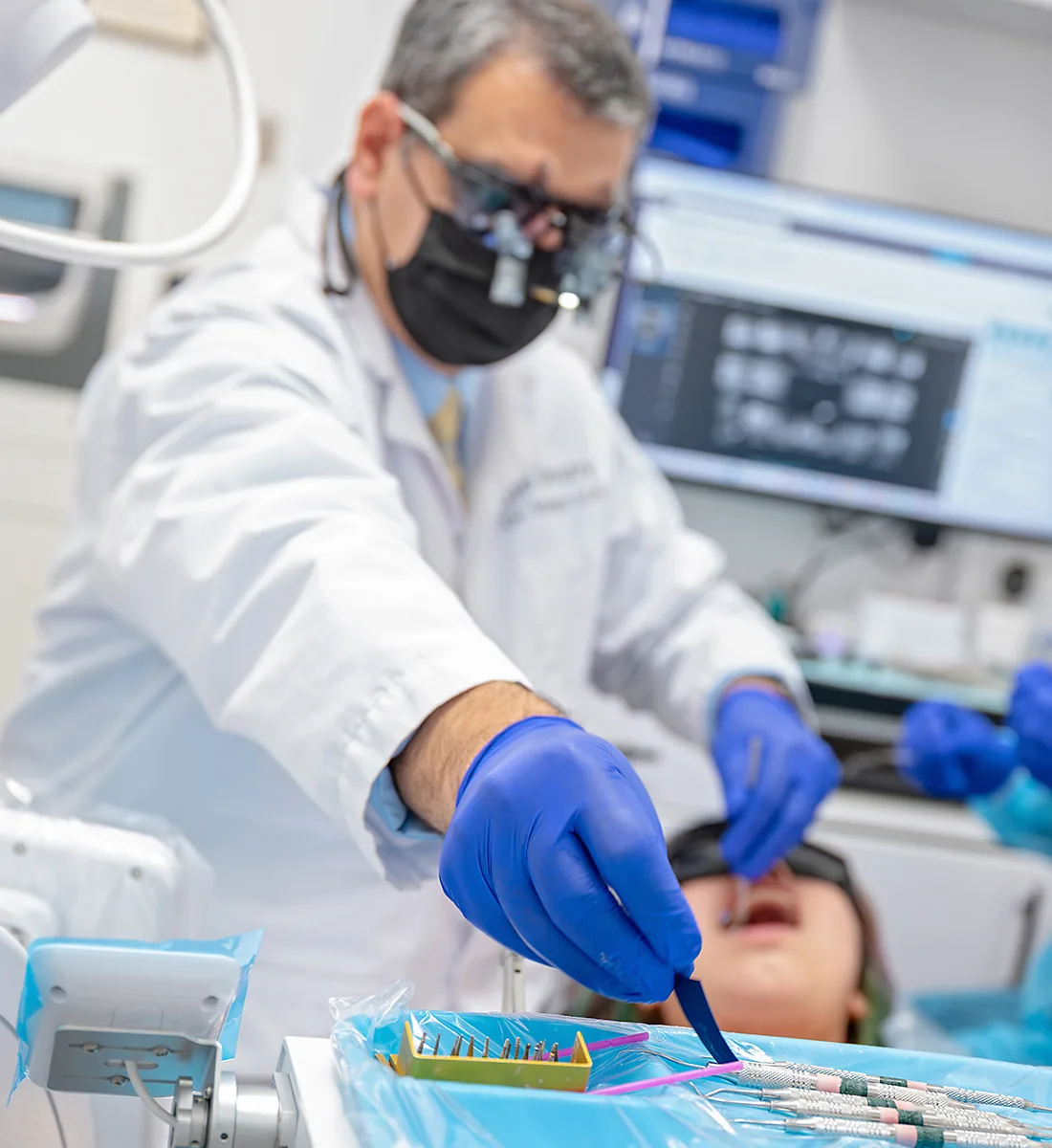
Many people only visit the dentist when they experience pain or notice a visible problem. This reactive approach allows minor issues to progress into serious conditions requiring extensive treatment. Professional dental exams serve multiple critical purposes beyond just cleaning your teeth.
Why regular checkups matter:
- Dentists can detect cavities, gum disease, and oral cancer in early stages when they’re easiest to treat
- Professional cleanings remove tartar buildup that brushing and flossing alone cannot eliminate
- X-rays reveal problems beneath the surface that aren’t visible to the naked eye
- Early intervention prevents minor issues from becoming major, expensive problems
The solution: Schedule dental checkups and cleanings every six months, or as recommended by your dentist based on your individual risk factors. Think of these visits as preventive maintenance rather than optional appointments.
2. Brushing Too Hard or Using Improper Technique
One of the most damaging misconceptions in oral care is that brushing harder equals cleaner teeth. In reality, aggressive brushing with excessive force wears down tooth enamel, irritates gum tissue, and can lead to permanent damage over time.
Signs you’re brushing too hard:
- Frayed toothbrush bristles within a few weeks of use
- Receding gums or gum sensitivity
- Increased tooth sensitivity to hot and cold
- Worn tooth enamel, especially near the gumline
The proper brushing technique:
- Use a soft-bristled toothbrush to protect delicate gum tissue
- Hold the brush at a 45-degree angle to your gums
- Use gentle circular motions rather than aggressive back-and-forth scrubbing
- Brush for a full two minutes, spending equal time on all tooth surfaces
- Replace your toothbrush every three to four months, or sooner if bristles fray
Think of brushing like polishing fine china—gentle, thorough movements are more effective than harsh scrubbing.
3. Neglecting to Floss Daily
Brushing alone cleans only about 60% of your tooth surfaces. The remaining 40% lies in the tight spaces between teeth where toothbrush bristles cannot reach. Skipping floss leaves these areas vulnerable to decay and gum disease.
What happens when you don’t floss:
- Food particles and bacteria accumulate between teeth
- Plaque hardens into tartar, which can only be removed professionally
- Gum inflammation develops, leading to gingivitis and potentially periodontitis
- Cavities form between teeth where they’re difficult to detect early
Making flossing easier: If traditional string floss feels awkward or difficult, try these alternatives:
- Floss picks for better control and easier reach
- Water flossers that use pressurized water to clean between teeth
- Interdental brushes for wider spaces between teeth
- Pre-threaded flossers designed for people with braces or dental work
The best flossing method is the one you’ll actually use consistently. Experiment to find what works for your lifestyle and preferences.
4. Using Teeth as Tools
Your teeth are designed for biting and chewing food, not opening packages, tearing tape, cracking nutshells, or removing bottle caps. Yet many people routinely use their teeth for tasks that put excessive stress on tooth structure.
Risks of using teeth as tools:
- Immediate chips, cracks, or fractures requiring emergency dental treatment
- Microscopic damage to enamel that may not become apparent until later
- Damage to existing dental work like crowns, veneers, or fillings
- Potential tooth loss in severe cases
- Jaw joint stress from abnormal biting forces
Protect your teeth: Keep scissors, bottle openers, nutcrackers, and other appropriate tools easily accessible so you’re never tempted to use your teeth instead. The few seconds saved by using your teeth as tools isn’t worth the potential for hundreds or thousands of dollars in dental repairs.
5. Ignoring Early Warning Signs
Many dental problems begin with subtle symptoms that are easy to dismiss or attribute to temporary issues. Ignoring these early warning signs allows small problems to escalate into serious conditions requiring extensive treatment.
Warning signs that require dental attention:
Tooth sensitivity: Discomfort when consuming hot, cold, sweet, or acidic foods often indicates:
- Enamel erosion exposing sensitive dentin
- Cavity development
- Gum recession
- Cracked teeth or worn fillings
Bleeding gums: Blood on your toothbrush or dental floss signals:
- Gingivitis (early-stage gum disease)
- Improper brushing or flossing technique
- Potential vitamin deficiencies
- More serious periodontal disease if accompanied by other symptoms
Persistent bad breath: Chronic halitosis despite good oral hygiene may indicate:
- Hidden tooth decay
- Gum disease
- Oral infections
- Dry mouth issues
- Systemic health problems
Tooth or jaw pain: Any persistent discomfort warrants professional evaluation to identify the cause before it worsens.
The importance of early intervention: Dental problems rarely resolve on their own and almost always worsen without treatment. What starts as a simple filling can progress to root canal therapy, crown placement, or even tooth extraction if ignored long enough.
6. Consuming Excessive Sugar and Acidic Beverages
Diet plays a crucial role in oral health, yet many people underestimate how their food and drink choices affect their teeth. Constant exposure to sugar and acid creates an environment where cavities and enamel erosion thrive.
Particularly problematic beverages:
- Soda (both regular and diet versions contain acid)
- Sports drinks with high sugar and acid content
- Fruit juices, especially citrus varieties
- Energy drinks
- Sweetened coffee and tea
- Wine, which is highly acidic
The problem with sipping: Drinking sugary or acidic beverages throughout the day keeps teeth in a constant state of acid attack, giving them no opportunity to remineralize. This continuous exposure causes more damage than consuming the same beverage quickly with a meal.
Protective strategies:
- Drink water as your primary beverage
- Use straws to minimize contact with teeth when drinking acidic or sugary beverages
- Rinse with water after consuming problematic drinks
- Wait at least 30 minutes after consuming acidic foods or drinks before brushing (acid softens enamel temporarily)
- Choose sugar-free gum with xylitol to stimulate saliva production after meals
7. Grinding or Clenching Teeth (Bruxism)
Many people grind or clench their teeth, especially during sleep, without realizing they’re doing it. This habit, called bruxism, gradually wears down tooth enamel, causes jaw pain, and can lead to serious dental damage over time.
Common signs of bruxism:
- Waking with jaw soreness or headaches
- Worn, flattened, or chipped teeth
- Increased tooth sensitivity
- Indentations on your tongue or cheek tissue
- Partner complaints about grinding noises during sleep
- Tight or fatigued jaw muscles
Causes and triggers:
- Stress and anxiety
- Sleep disorders like sleep apnea
- Misaligned bite
- Certain medications
- Excessive caffeine or alcohol consumption
Solutions for bruxism:
- Custom-fitted nightguards protect teeth during sleep
- Stress management techniques
- Avoiding caffeine and alcohol, especially in the evening
- Treating underlying sleep disorders
- Orthodontic treatment if bite misalignment is the cause
8. Smoking and Tobacco Use
Tobacco use in any form—cigarettes, cigars, pipes, or smokeless tobacco—dramatically increases the risk of serious oral health problems. The damage extends far beyond stained teeth and bad breath.
Oral health risks from tobacco:
- Significantly increased risk of gum disease
- Slower healing after dental procedures
- Higher rates of tooth loss
- Oral cancer risk that increases with duration of use
- Reduced taste and smell
- Increased plaque and tartar buildup
- Bone loss in the jaw
- Higher failure rates for dental implants
Quitting tobacco: While challenging, quitting tobacco is one of the most beneficial things you can do for your oral and overall health. Resources like nicotine replacement therapy, prescription medications, counseling, and support groups can significantly improve success rates.
9. Not Replacing Your Toothbrush Regularly
An old, worn toothbrush with frayed bristles cannot effectively clean your teeth. Moreover, bacteria accumulate on toothbrush bristles over time, potentially reintroducing harmful microorganisms into your mouth with each use.
When to replace your toothbrush:
- Every three to four months under normal use
- Immediately after recovering from illness
- Sooner if bristles become frayed or splayed
- After any dental procedure involving bleeding
Toothbrush care tips:
- Rinse thoroughly after each use
- Store upright in an open container to air dry
- Don’t share toothbrushes with others
- Keep toothbrushes separated to prevent cross-contamination
- Replace toothbrush heads on electric toothbrushes using the same timeline
10. DIY Dental Treatments and Whitening Hacks
Social media abounds with dental “hacks” and home remedies promising whiter teeth, cavity prevention, or other benefits. Many of these popular trends can actually damage your teeth and gums.
Dangerous DIY dental trends:
- Charcoal toothpaste: Despite marketing claims, activated charcoal is abrasive and can wear down enamel with regular use. There’s limited evidence supporting its whitening effectiveness, and it may actually increase cavity risk by removing protective enamel.
- Lemon juice or baking soda for whitening: Both are highly abrasive and acidic, causing enamel erosion that can permanently damage teeth. The temporary whitening effect comes from removing enamel, not from actual tooth brightening.
- Oil pulling as a substitute for brushing: While oil pulling may have some benefits as a supplement to oral hygiene, it cannot replace brushing and flossing. Relying on it exclusively leaves teeth vulnerable to decay and gum disease.
- Filing or trimming teeth at home: Any attempt to alter tooth shape or size without professional dental training risks permanent damage, infection, and tooth loss.
- Safe alternatives: For concerns like tooth whitening, straightening, or other cosmetic improvements, consult with a dentist about professional options that deliver results without risking your oral health.
Additional Common Mistakes
Not Drinking Enough Water
Water serves multiple important functions for oral health:
- Rinses away food particles and bacteria
- Stimulates saliva production, which neutralizes acid and remineralizes enamel
- Dilutes acids from foods and beverages
- Helps prevent dry mouth, which increases cavity and gum disease risk
Fluoridated tap water provides additional protection by strengthening tooth enamel and making it more resistant to decay.
Brushing Immediately After Acidic Foods
This well-intentioned habit can actually damage teeth. Acidic foods and beverages temporarily soften tooth enamel. Brushing during this vulnerable period can remove softened enamel rather than protect it.
The better approach: Rinse with water after consuming acidic items, then wait at least 30 minutes before brushing to allow your saliva to neutralize the acid and remineralize your enamel naturally.
Using the Wrong Toothpaste
Not all toothpaste is created equal. While basic toothpaste can clean teeth adequately, some formulations address specific needs:
- Fluoride toothpaste for cavity prevention
- Toothpaste for sensitive teeth containing potassium nitrate or stannous fluoride
- Tartar control formulas for people prone to buildup
- Whitening toothpaste with mild abrasives (use cautiously to avoid enamel damage)
Avoid toothpaste with excessive abrasives, which can wear down enamel over time. If you have specific concerns, ask your dentist to recommend an appropriate formula.
Mouth Breathing
Chronic mouth breathing, especially during sleep, reduces saliva production and dries out oral tissues. This creates an environment where bacteria thrive, leading to increased cavity risk, gum disease, and bad breath.
Causes of mouth breathing:
- Nasal congestion from allergies or sinus issues
- Deviated septum or other structural problems
- Enlarged tonsils or adenoids
- Sleep apnea
- Habitual patterns
Addressing the underlying cause of mouth breathing protects both your oral health and overall well-being.
Creating Better Dental Habits
Understanding these mistakes is only the first step. Implementing lasting changes requires creating sustainable habits and routines.
Tips for building better oral health habits:
- Start small: Rather than overhauling your entire routine at once, focus on correcting one or two mistakes at a time. Once those changes become automatic, add more improvements.
- Set reminders: Use phone alarms or habit-tracking apps to remind you to floss, schedule dental appointments, or replace your toothbrush.
- Make it convenient: Keep floss in multiple locations (bathroom, car, desk) so you’re more likely to use it. Store proper tools in accessible places to avoid using teeth inappropriately.
- Track your progress: Note improvements in how your mouth feels, reduced sensitivity, or compliments from your dental hygienist about healthier gums.
- Be patient with yourself: Habit formation takes time. If you miss a day of flossing or have a sugary drink, simply resume your good habits rather than giving up entirely.
When to Seek Professional Dental Care
While improving your daily habits is crucial, some situations require professional intervention:
- Any tooth or gum pain lasting more than a day or two
- Swelling in your mouth, face, or neck
- Loose teeth or changes in how your teeth fit together
- Persistent bad breath despite improved oral hygiene
- Bleeding gums that don’t improve within a week of gentle brushing and flossing
- White or red patches in your mouth
- Jaw clicking, popping, or difficulty opening your mouth
- Sensitivity that worsens or doesn’t improve with appropriate toothpaste
Don’t wait for a problem to become severe before seeking help. Early professional treatment is almost always simpler, less expensive, and more effective than waiting until a condition progresses.
The Long-Term Impact of Dental Mistakes
The consequences of poor oral health extend beyond your mouth. Research increasingly shows connections between oral health and overall systemic health:
- Gum disease is linked to increased risk of heart disease, stroke, and diabetes complications
- Oral bacteria can enter the bloodstream and affect other organs
- Tooth loss impacts nutrition and can lead to weight loss or digestive issues in older adults
- Chronic oral infections stress the immune system
- Dental pain and visible dental problems affect mental health and quality of life
Avoiding common dental mistakes isn’t just about having a nice smile—it’s an investment in your long-term health and well-being.
Frequently Asked Questions
How long does it take to reverse damage from dental mistakes?
The timeline depends on the specific damage. Early-stage gum disease (gingivitis) can reverse within weeks of improved oral hygiene. However, permanent damage like enamel loss, advanced gum disease, or cavities requires professional treatment and cannot fully reverse on their own.
Is it too late to improve my oral health if I’ve been making these mistakes for years?
It’s never too late to start better habits. While some damage may be permanent, preventing further deterioration and addressing existing problems can dramatically improve your oral health regardless of your age or current condition.
What if I can’t afford regular dental care?
Many dental schools offer reduced-cost care provided by students under professional supervision. Community health centers, dental discount plans, and payment plans can make care more accessible. Prioritizing preventive care, even if it means spacing out other expenses, often costs far less than treating advanced problems later.
How do I know if my oral hygiene routine is effective?
Signs of effective oral care include healthy pink gums that don’t bleed during brushing or flossing, minimal plaque buildup between dental visits, fresh breath, and smooth tooth surfaces without visible buildup. Your dental professional can assess your technique and provide personalized feedback.
Taking Action for Better Oral Health
Armed with knowledge about these common dental mistakes, you can make informed decisions to protect your teeth and gums. Start by identifying which mistakes apply to your situation, then prioritize changes that will have the biggest impact on your oral health.
If you want to learn more about avoiding dental mistakes, visit our Dentist in Rancho Santa Margarita page or schedule a consultation.