Implant Success
A strong bone foundation dramatically increases the success and stability of dental implants.
Accepting New Patients
Been told you need more bone before getting implants? Bone grafting in Rancho Santa Margarita, CA rebuilds lost jawbone to create a strong foundation for future treatment. At Elite Dentistry, Dr. Lari uses advanced grafting techniques to restore strength and prepare you for a healthy smile.
2,500+
Happy Patients
25+ Years
Experience
Same-Day
Emergency Care
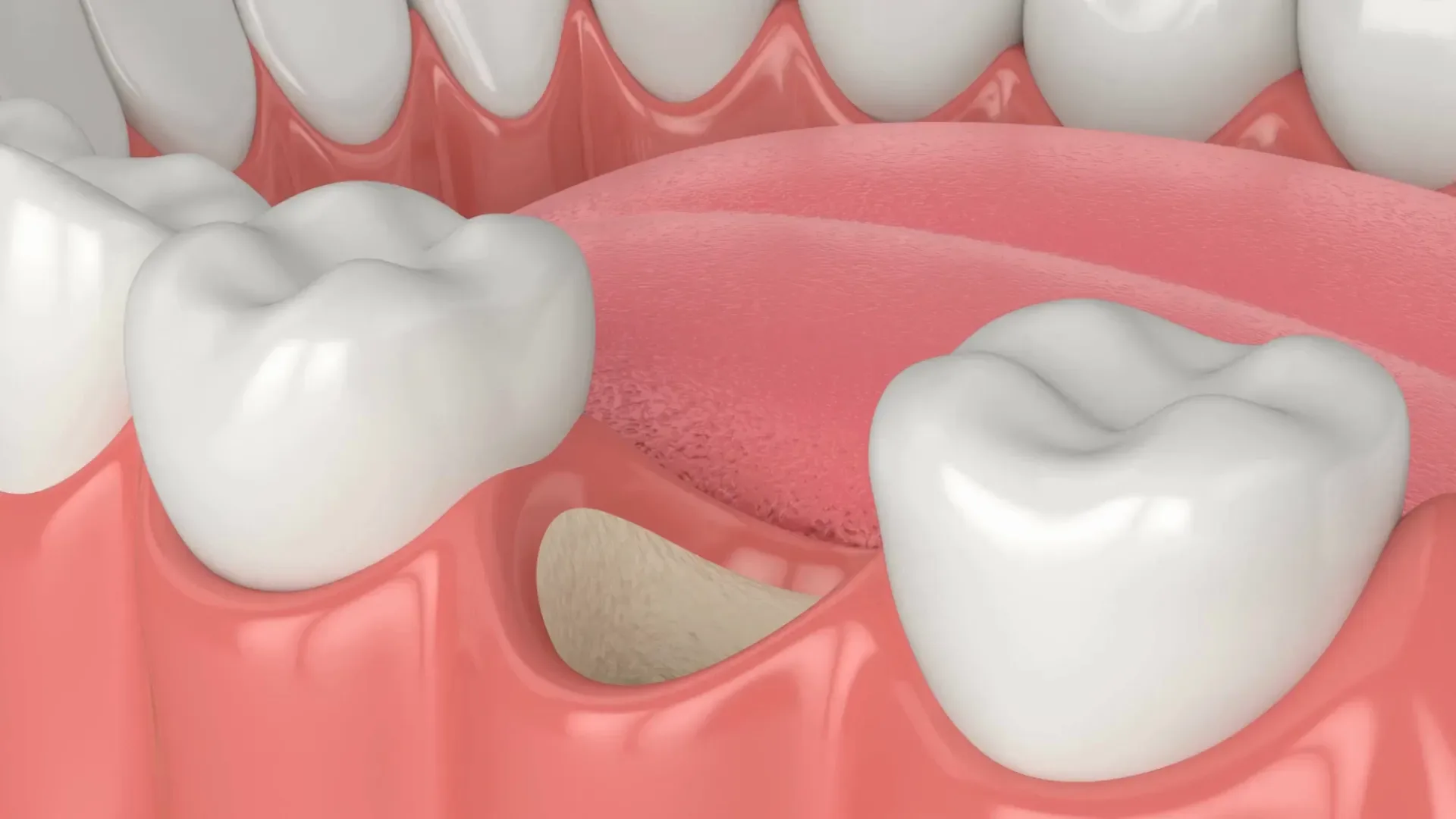
A dental bone graft rebuilds and strengthens areas of the jaw where bone has been lost. Dr. Lari places specialized grafting material that stimulates your body to grow new, healthy bone. This creates the solid foundation needed for dental implants and helps maintain your facial structure. Bone loss can follow tooth loss, gum disease, or injury, and grafting helps reverse it.
A strong bone foundation dramatically increases the success and stability of dental implants.
Restoring lost bone volume helps maintain your facial structure and a more youthful appearance.
Healthy bone creates a stronger base for bridges, dentures, and other restorations.
Solid bone supports your remaining natural teeth and helps prevent further complications.
From your first exam to the final result, here's exactly what to expect — calm, clear, and never rushed.
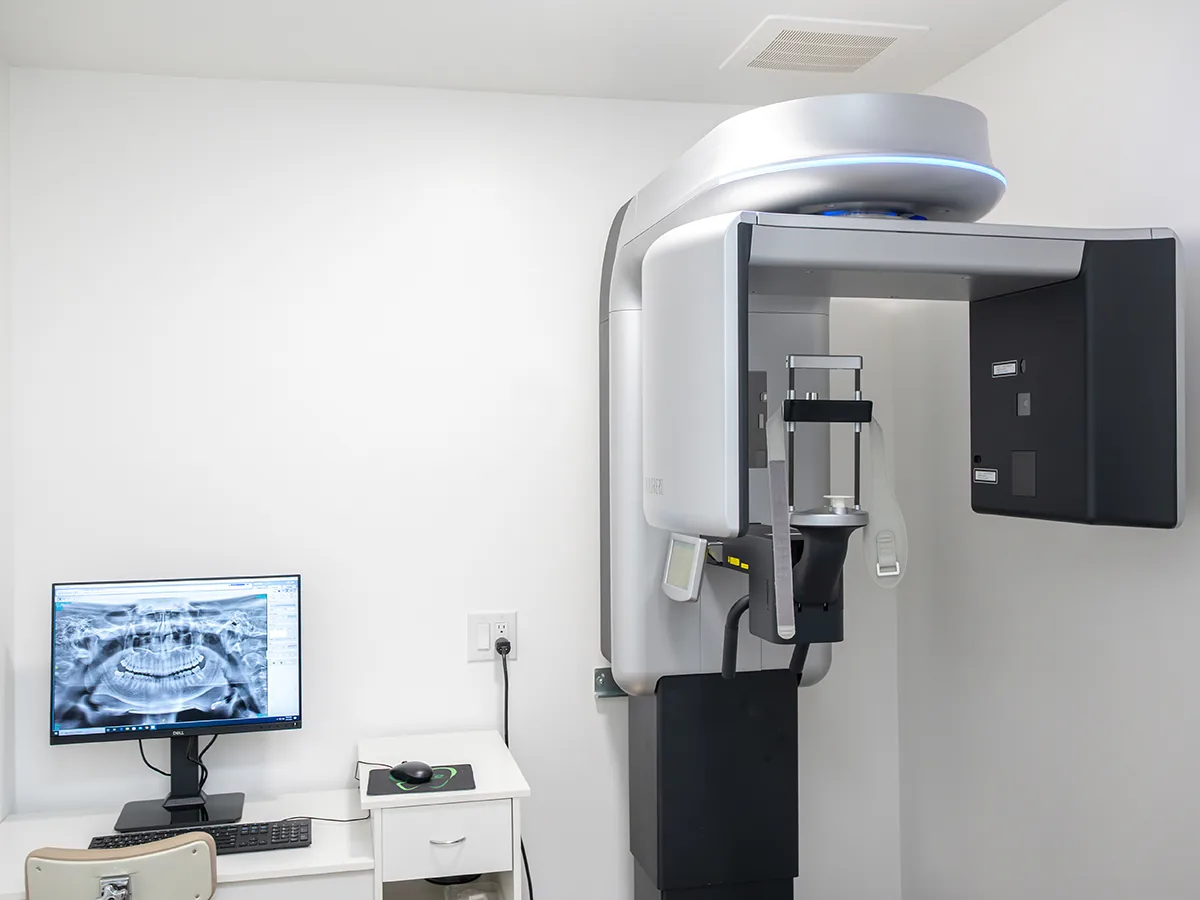
Request an AppointmentDr. Lari examines your mouth and uses digital X-rays or 3D scans to assess bone volume.
We numb the area with local anesthetic so you stay comfortable throughout the procedure.
A small incision is made in the gum tissue to access the bone.
The grafting material is placed in the area where bone has been lost.
When needed, a membrane is placed over the graft to protect it and support healing.
The gum tissue is sutured closed to begin the healing process.
You want dental implants but do not have enough bone to support them.
You have lost bone due to advanced periodontal disease.
You need extra support for a bridge, denture, or other restoration.
Missing teeth have led to bone loss that affects your jaw and facial structure.
5-star rated dental care from patients like you…
Bone grafting sets the stage for a lasting smile, and we do it with precision. Here is why patients trust us.
Here are just a few reasons our patients love us:
Don't see the answer you're looking for? Call us at (949) 888-8989.
No, we numb the area so you should not feel pain during the procedure. Any mild soreness afterward is easily managed with over-the-counter pain relief.
Bone grafts typically integrate with your jaw within three to six months, depending on the size and type. Dr. Lari will give you a personalized timeline.
Avoid disturbing the site, stick to soft foods, and skip smoking and vigorous rinsing while it heals. Gentle cleaning and following your aftercare instructions support proper healing.
Not always, but many implant patients need some grafting to ensure enough bone support. Dr. Lari will determine what you need after a thorough exam.
Many plans cover grafting when it is medically necessary. Our team will help you check your benefits and maximize your coverage.
Bone graft material can come from a few different sources: your own body, a tissue bank, an animal source, or a synthetic, lab-made material. All options used at Elite Dentistry are safe, biocompatible, and thoroughly processed. Rather than permanently filling in the gap, the graft acts as a scaffold that your body gradually replaces with its own new bone. Dr. Lari will explain which material best fits your needs during your consultation.
Yes, it is rarely too late to rebuild bone. When a tooth has been missing for a long time, the jaw in that area naturally shrinks, which is why many people are told they lack enough bone for an implant. A bone graft can restore that lost volume even years later, recreating a solid foundation for a future implant or other restoration. Dr. Lari can use 3D imaging to evaluate whether grafting will work for you.
It depends on your situation, and both approaches are common. In some cases, a graft is placed and allowed to heal for several months before an implant goes in. In others, particularly when a tooth is being removed, the graft can be placed into the empty socket the same day to preserve bone for a future implant. Occasionally, grafting and implant placement happen together when conditions allow. Dr. Lari will determine the best sequence based on your bone volume and treatment goals.
The cost of bone grafting depends on a few factors, including the scope of your treatment plan and whether additional imaging or procedures are needed. During your visit, we'll walk you through a clear, itemized estimate before anything begins — no surprises. At Elite Dentistry, we work closely with most insurance providers to maximize your benefits, and we offer flexible financing options and new patient specials to make quality care comfortable for every budget.
A strong foundation is the first step toward a lasting smile. Fill out the form below, and our team will reach out within one business hour.
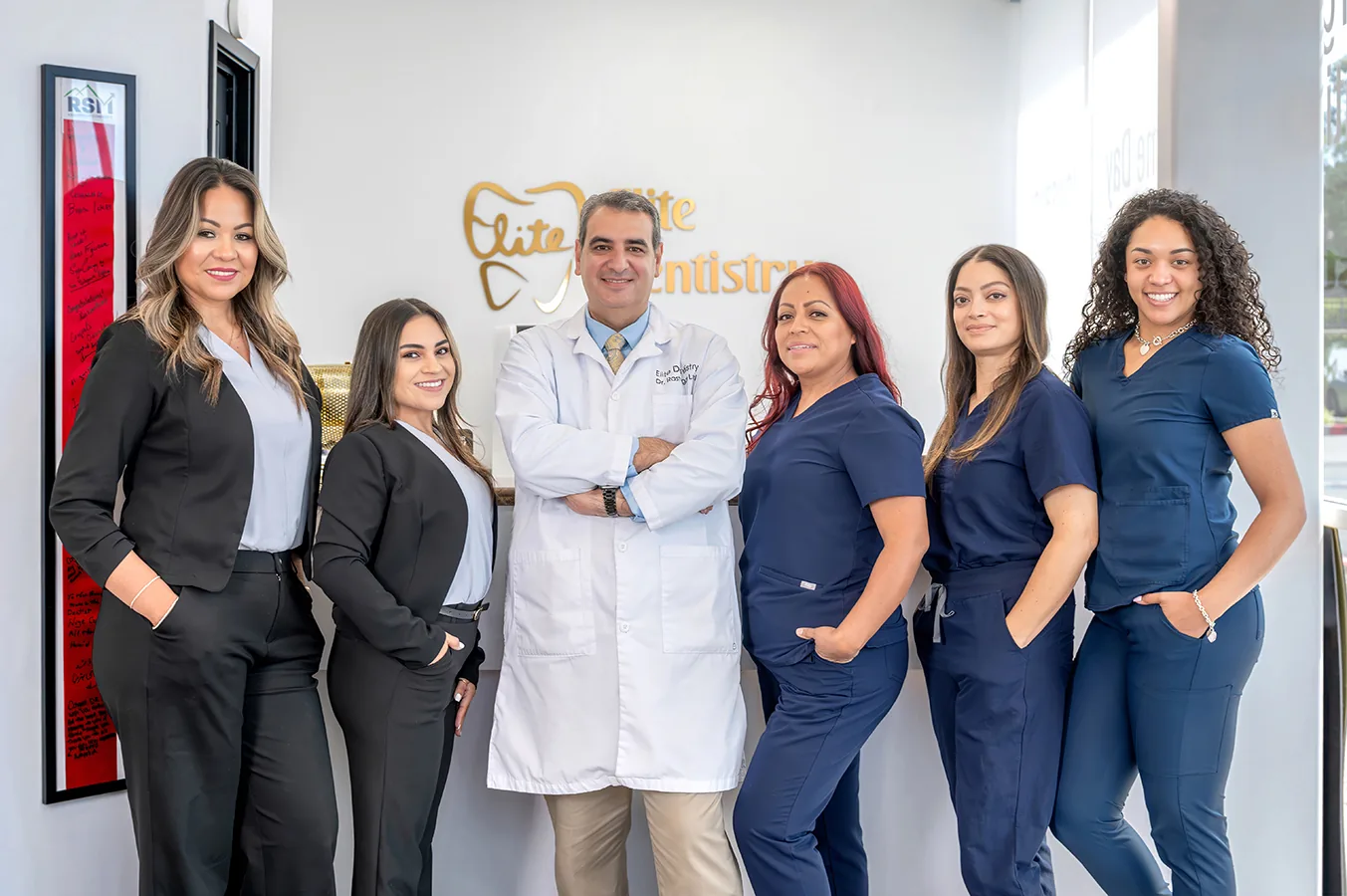 25+ Years of Care
Autograft Bone taken from your own body, often from the chin, hip, or tibia (shinbone).
Allograft Bone taken from a cadaver (deceased donor).
Xenograft Bone taken from an animal, usually a cow.
Alloplast Synthetic bone graft material made from calcium phosphate or other biocompatible materials.
Bone Grafting for Dental Implants To create a stable foundation for dental implants when there is insufficient jawbone.
Periodontal Disease To regenerate bone lost due to gum disease.
Trauma or Injury To repair bone defects caused by facial injuries or fractures.
Cleft Lip and Palate To repair bone defects in the mouth caused by cleft lip and palate.
Sinus Lift To increase bone height in the upper jaw for implant placement.
Guided Bone Regeneration (GBR) Using a membrane to guide bone growth and prevent soft tissue from interfering with the graft.
Socket Preservation Placing bone graft material into a tooth socket after extraction to prevent bone loss.
Ridge Augmentation Increasing the width or height of the jawbone to support implants.
Block Graft Using a solid piece of bone to fill a larger defect.
Particulate Graft Using small particles of bone to fill smaller defects.
Biocompatibility The ability of a material to function in the body without causing harm.
Growth Factors Proteins that stimulate bone growth and healing.
Membrane A barrier used to protect the graft and guide bone regeneration.
Osseointegration The process by which bone fuses with an implant.
Resorption The breakdown and loss of bone tissue.