Pain Relief
Removing a severely damaged or infected tooth ends the pain and pressure it has been causing.
Accepting New Patients
Dealing with a painful or badly damaged tooth? A gentle tooth extraction in Rancho Santa Margarita, CA can relieve pain and protect the rest of your smile. At Elite Dentistry, Dr. Lari removes teeth comfortably, with sedation options and a focus on fast healing.
2,500+
Happy Patients
25+ Years
Experience
Same-Day
Emergency Care
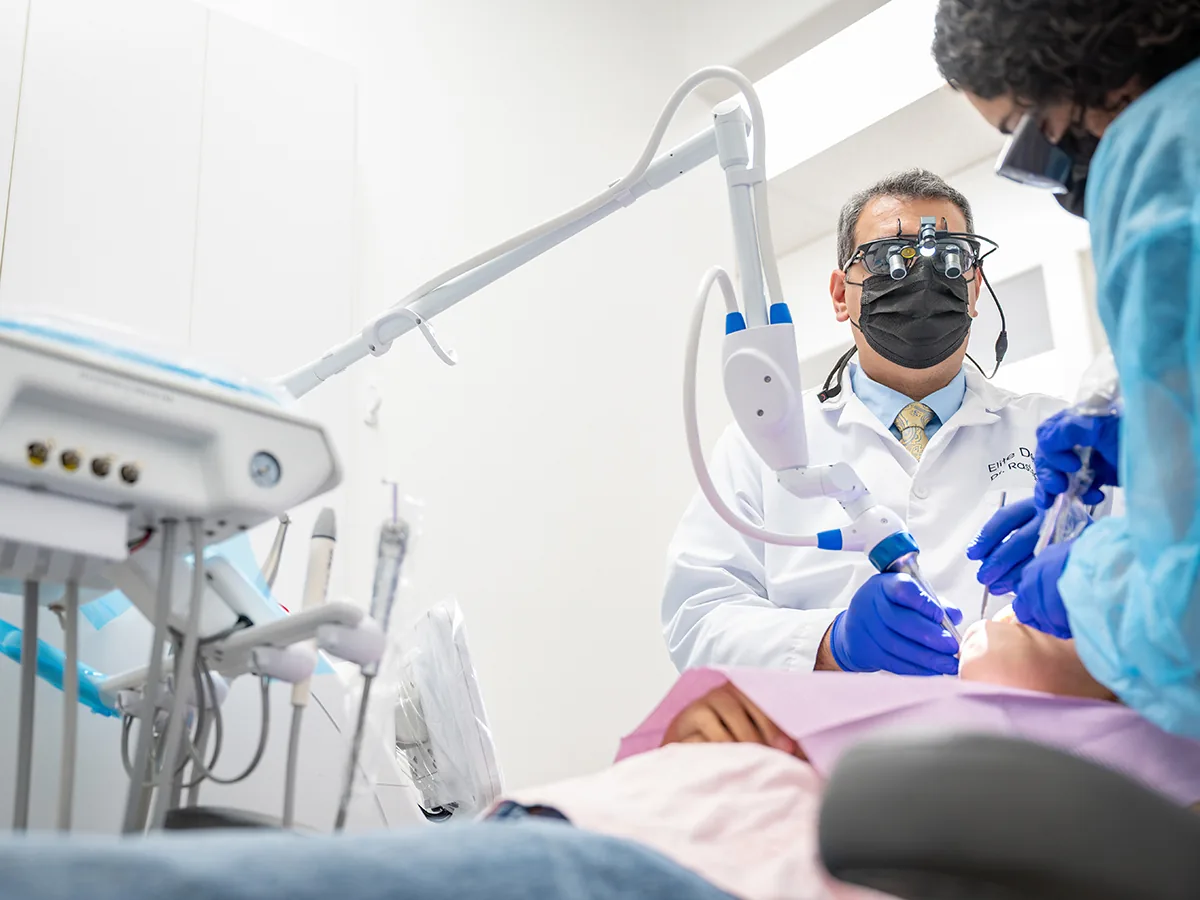
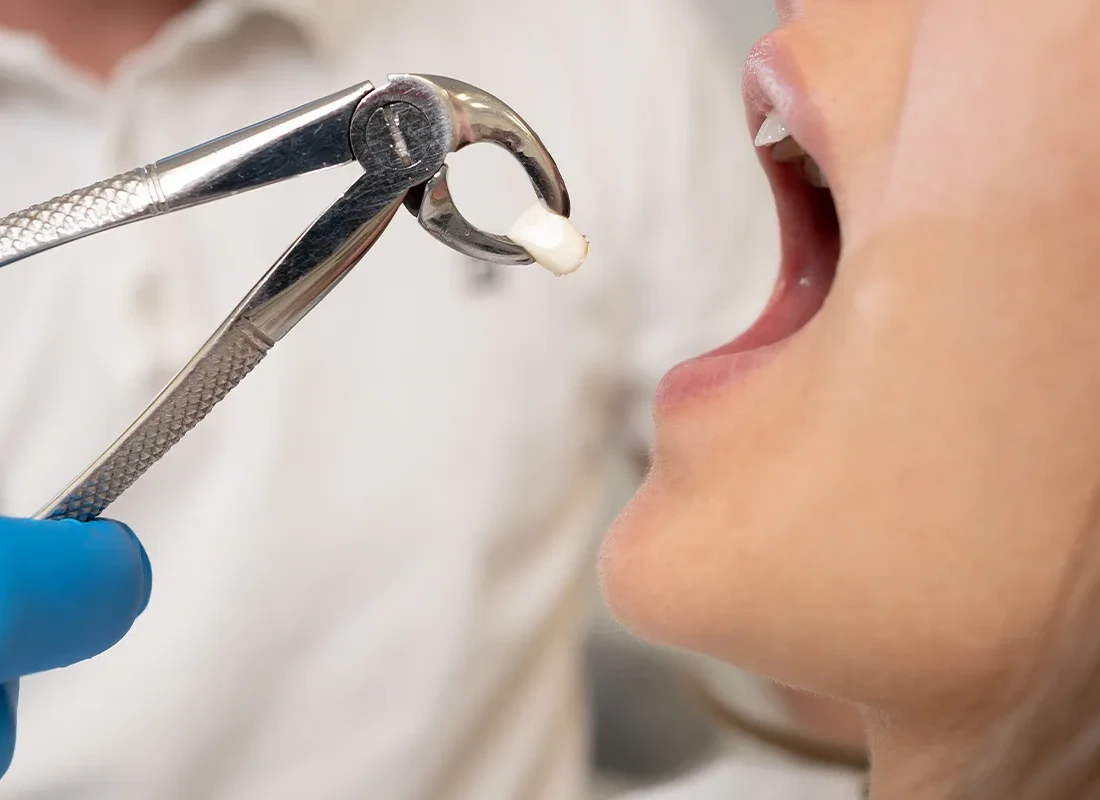
A tooth extraction is the careful removal of a tooth from its socket in the bone. Dr. Lari performs both simple and surgical extractions using advanced techniques for a comfortable experience. Saving natural teeth is always the priority, but removal is sometimes the healthiest option for severe decay, infection, or crowding. With modern anesthesia and gentle methods, most extractions are far easier than patients expect.
Removing a severely damaged or infected tooth ends the pain and pressure it has been causing.
Taking out a problem tooth stops infection or decay from spreading to the healthy teeth nearby.
Local anesthesia and sedation keep you relaxed and pain-free throughout the procedure.
Gentle, precise technique protects the surrounding tissue and supports a smoother recovery.
From your first exam to the final result, here's exactly what to expect — calm, clear, and never rushed.
Request an AppointmentWe fully numb the area with local anesthetic so you feel no pain during the extraction.
Dr. Lari carefully removes the tooth, sectioning it into smaller pieces if needed.
Dissolvable stitches may be placed to control bleeding and support healing.
We send you home with clear instructions to keep the extraction site healing well.
A tooth is too decayed to be saved with a filling or a crown.
An infection has spread beyond the tooth and threatens your oral health.
A tooth needs to come out to make room for orthodontic treatment.
Advanced gum disease has left a tooth loose and unstable.
At Elite Dentistry, we provide safe and comfortable extractions. No matter what type of extraction you need, our priority is your comfort, safety, and quick recovery.
Used for visible teeth that can be easily removed. Performed under local anesthesia with minimal discomfort.
Required for impacted, broken, or difficult-to-remove teeth. May involve incisions and bone removal to access the tooth, with sedation options available for a pain-free experience.
5-star rated dental care from patients like you…
An extraction should be as gentle and stress-free as possible, and ours are. Here is why patients trust us with theirs.
Here are just a few reasons our patients love us:

Don't see the answer you're looking for? Call us at (949) 888-8989.
No, we numb the area so you should not feel pain during the procedure. Any mild soreness afterward is easily managed with over-the-counter pain relief.
Stick to soft foods for the first few days to protect the site while it heals. Soup, yogurt, and mashed potatoes are all good choices early on.
Most extractions trace back to decay or gum disease, so early care is key. Treating small problems promptly helps preserve your natural teeth.
You can usually brush gently the day after, avoiding the extraction site itself. Keeping the rest of your mouth clean supports healing.
Most dental plans cover tooth extractions. Our team will help verify your benefits and maximize your coverage.
Recovery is usually quicker than people expect, especially for a simple extraction. Most patients feel noticeably better within a couple of days, with any swelling peaking around the second or third day before easing. The gum tissue typically closes over the site within a week or two, while the bone underneath continues filling in gradually over the following months. A surgical extraction may take a little longer to settle, and Dr. Lari will give you a timeline tailored to your specific case.
In most cases, yes, and it's worth planning early. When a tooth is removed and the gap is left open, the neighboring teeth can gradually drift or tilt into the space, the opposing tooth may shift, and the jawbone in that area can begin to shrink over time. Replacing the tooth with an option like a dental implant, bridge, or partial denture helps preserve your bite, alignment, and bone. Dr. Lari can walk you through which replacement makes the most sense for your situation.
The first day plays a big role in smooth healing, because a protective blood clot needs to form and stay put in the socket. Gently bite on the gauze provided to control bleeding, rest with your head slightly elevated, and use a cold compress to ease swelling. It's best to avoid drinking through straws, smoking, vigorous rinsing or spitting, and alcohol, since these can disturb the healing site. Dr. Lari and the Elite Dentistry team will send you home with clear, personalized instructions.
The cost of tooth extraction depends on a few factors, including the scope of your treatment plan and whether additional imaging or procedures are needed. During your visit, we'll walk you through a clear, itemized estimate before anything begins — no surprises. At Elite Dentistry, we work closely with most insurance providers to maximize your benefits, and we offer flexible financing options and new patient specials to make quality care comfortable for every budget.
If a tooth is causing you pain, do not wait it out. Fill out the form below, and our team will reach out within one business hour.
 25+ Years of Care
Simple Extraction Removal of a tooth that is visible above the gumline.
Surgical Extraction Removal of a tooth that is impacted, broken below the gumline, or requires an incision in the gums.
Crowding To create space for orthodontic treatment.
Gum Disease When gum disease has loosened a tooth or damaged the supporting bone.
Impacted Tooth When a tooth (often a wisdom tooth) fails to erupt properly.
Infection When an infection has spread to the tooth pulp or surrounding tissues.
Severe Decay When a tooth is too damaged to be repaired with a filling or crown.
Trauma When a tooth is broken or fractured beyond repair.
Alveoplasty Smoothing and recontouring the jawbone after an extraction.
Anesthesia Medication used to numb the area and prevent pain during the extraction.
Elevation Using a dental instrument to loosen the tooth before removal.
Forceps Instruments used to grasp and remove the tooth.
Incision A cut made in the gums to access a tooth that is not fully erupted.
Sectioning Dividing a tooth into smaller pieces for easier removal.
Dry Socket A painful condition that can occur if the blood clot at the extraction site is dislodged.
Gauze Used to control bleeding after the extraction.
Ice Pack Applied to the face to reduce swelling and discomfort.
Pain Medication Prescribed or over-the-counter medication to manage pain.
Sutures (Stitches) Used to close the gums after a surgical extraction.
Alveolar Bone The bone that surrounds and supports the teeth.
Edentulous Lacking teeth.
Hematoma A collection of blood outside of a blood vessel.
Trismus Limited jaw opening or lockjaw.