
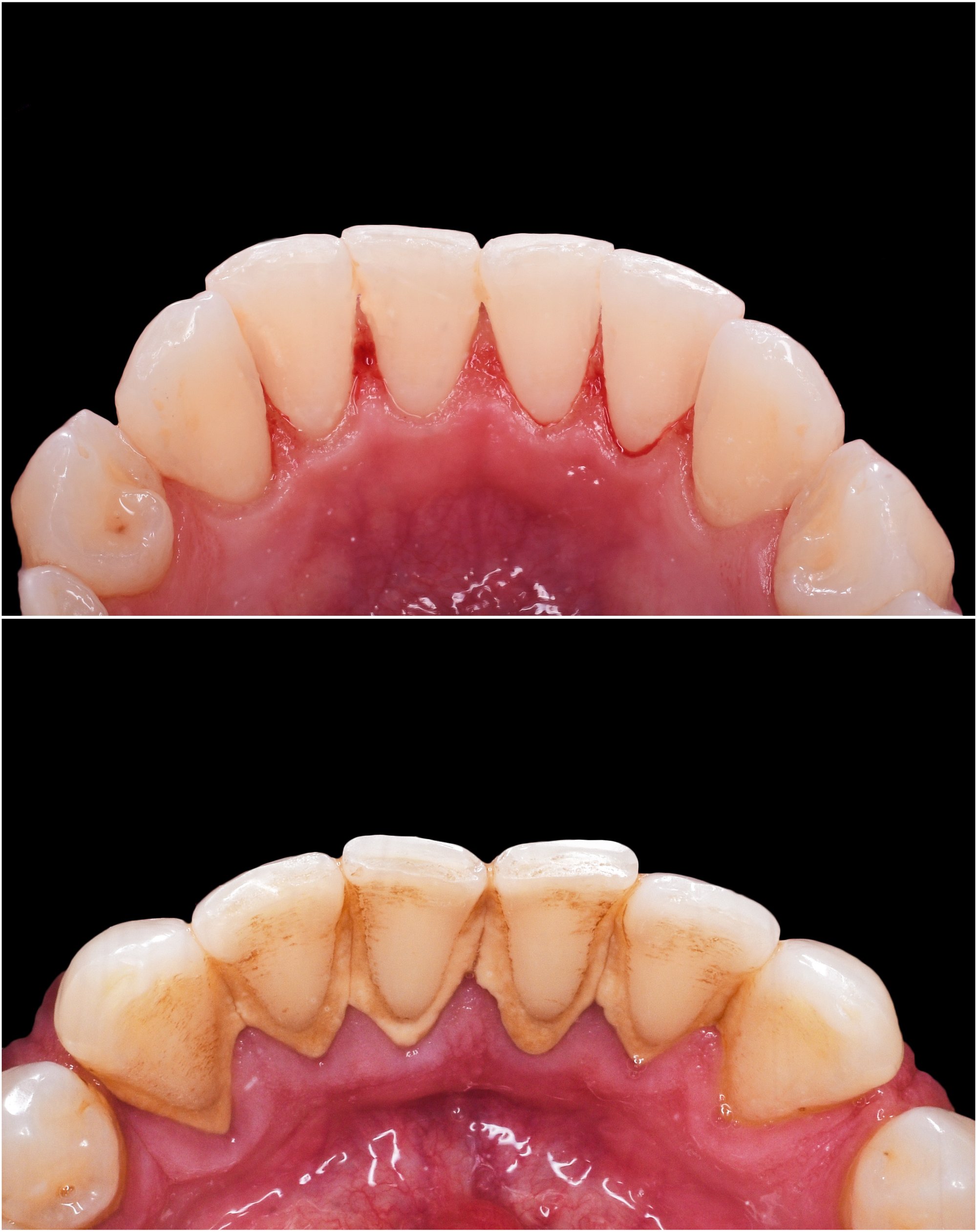
Twice a year is the default for cleanings, but some people need more.
Wondering how often you really need a cleaning? Twice a year is the common answer, but it is a starting point, not a hard rule. How often you should schedule a dental cleaning depends on your own mouth and your risk. A dental cleaning, or teeth cleaning, is a professional visit that removes the plaque and tartar your toothbrush cannot. The right number of visits is the one that keeps your teeth and gums healthy. The right number is personal, and it can change over time. Skipping cleanings, on the other hand, is where trouble usually starts.
Key Takeaways
- Twice a year is the default, not a one-size-fits-all rule.
- Some people need cleanings every three to four months.
- Higher risk includes gum disease, smoking, diabetes, and pregnancy.
- A regular cleaning is different from a deep cleaning.
- A dentist sets the right schedule based on your risk.
How Often Is Twice a Year Really Right?
For many people, every six months works well. According to Healthline, the American Dental Association recommends seeing a dentist regularly, with every six months being right for some people and more often for those at higher risk. Twice a year became the norm partly out of habit and insurance patterns, not a strict rule.
For healthy mouths, it is a solid default. But the real answer depends on your own risk. Insurance often covers two cleanings a year, which fits the average-risk plan. Even healthy mouths build up tartar that a brush cannot remove, which is why regular visits still matter. A dentist confirms the right timing at each checkup.
Who Needs More Than Two Cleanings a Year?
Some people do better with three or four visits. Higher-risk groups include those with gum disease, smokers, people with diabetes, and those who are pregnant. A history of frequent cavities or heavy tartar buildup also points to more visits. For these patients, cleanings every three to four months keep problems from building up.
More frequent care is not upselling; it is matching the schedule to the risk. Pregnancy can also raise the risk of gum problems, so extra cleanings help then too. People with braces or implants may need closer monitoring, and a dentist looks at your whole picture, not just one factor. If you are unsure where you fall, ask at your next visit.
How Is a Deep Cleaning Different?
A deep cleaning is not the same as a regular cleaning. A regular cleaning removes plaque and tartar from the tooth surfaces and along the gumline. A deep cleaning, called scaling and root planing, goes below the gumline to clear buildup and smooth the roots. It is used when gum disease has created pockets around the teeth. A deep cleaning is a treatment, while a regular cleaning is routine care. Deep cleaning often takes more than one visit and may include a numbing step. Skipping it when it is needed lets gum disease keep advancing, so catching it early keeps treatment shorter. Your gums may feel tender for a day or two afterward, which is normal.
What Happens If You Wait Too Long?
Skipping cleanings lets small problems grow. Plaque hardens into tartar, which only a professional can remove, and that fuels gum disease and cavities. The longer you wait, the more buildup collects, and the more involved the next visit becomes. Regular cleanings also let a dentist catch issues early, when they are easy to fix. Staying on schedule is cheaper and less stressful than catching up later. Bleeding gums, bad breath, and visible tartar are all signs you are overdue. Do not wait for pain, since gum disease is often painless at first. The sooner you get back on track, the less work it takes.
How Do You Find Your Right Schedule?
A dentist sets the schedule with you. At each visit, they check your gums, look for buildup, and adjust how often you should come in. If your gums are healthy, twice a year may be all you need. If not, they may suggest more frequent, gentle dental cleanings to stay ahead of problems. The goal is a schedule that fits your mouth, not just the calendar. If your risk changes, like a new health condition or pregnancy, the schedule can change with it, and regular visits also catch cavities early.
Finding the Right Rhythm for Your Smile
How often should you schedule a dental cleaning? Twice a year is the default, but some people need three or four visits to stay healthy. Your risk, your gums, and your history all shape the right number. A regular teeth cleaning keeps buildup in check, while a deep cleaning treats gum disease when it appears. The best schedule is the one you and a dentist set together. Check in at each visit, and adjust as your needs change. Staying consistent is what keeps cleanings quick and routine.
- If you want to learn more about how often to schedule a dental cleaning, visit our Teeth Cleaning in Rancho Santa Margarita, CA, page or schedule a consultation.