A sinus lift adds bone to the upper jaw so implants have solid support.
What is a sinus lift, and why would you ever need one? In simple terms, it is a minor surgery that adds bone to your upper jaw when there is not enough to hold a dental implant. A sinus lift is a procedure that gently raises the sinus membrane and places bone graft material beneath it, building height where the jaw is too thin. People usually need a sinus lift before implants in the upper back jaw, where the bone tends to be softer, and the sinus sits low. Knowing why it is recommended makes the whole implant process far less intimidating.
Key Takeaways
- A sinus lift adds bone to the upper back jaw so it can support a dental implant.
- It is often needed when the jawbone is too thin, or the sinus sits too low.
- The procedure raises the sinus membrane and places graft material underneath it.
- Bone loss from missing teeth or gum disease is a common reason it becomes necessary.
- Most people heal comfortably, though the new bone takes several months to mature.
What Is a Sinus Lift, Exactly?
It is a type of bone graft focused on the upper jaw. According to the Cleveland Clinic, a dental bone graft can lift the maxillary sinuses to create the height needed before implants in some situations. The surgeon gently lifts the sinus membrane and packs bone graft material into the space below. Over the following months, that graft turns into solid bone an implant can anchor into.
Why Would You Need a Sinus Lift?
The upper back jaw is a tricky spot for implants. When you lose molars, the bone there shrinks over time, and the sinus cavity can expand downward into the empty space. That leaves too little bone between your mouth and the sinus to safely hold an implant. A sinus lift rebuilds that height so an implant has a stable foundation.
What Causes the Bone Loss in the First Place?
Several things can leave the upper jaw too thin for implants. The usual causes include:
- Missing Teeth. When a tooth is gone, the jawbone beneath it slowly shrinks. The longer the gap sits empty, the more bone is lost.
- Gum Disease. Advanced gum disease destroys the bone that supports the teeth. That damage can leave little behind for an implant.
- Natural Anatomy. Some people simply have large sinuses that sit low over the jaw. This leaves less room for bone from the start.
- Long-Term Dentures. Years of wearing dentures can speed up bone loss in the jaw. The ridge gradually flattens without tooth roots to stimulate it.
- Tooth Extractions. Removing a tooth without a graft lets the socket collapse. The bone in that area can thin out quickly.
What Is the Procedure and Recovery Like?
A sinus lift is usually an in-office procedure done with local anesthesia and, if you prefer, sedation. The surgeon accesses the sinus, lifts the membrane, adds the graft, and closes the site, often in about an hour or two. Most people manage the recovery with mild swelling and over-the-counter pain relief for a few days. The grafted bone then needs several months to mature before the implant goes in.
Frequently Asked Questions
Is a sinus lift painful?
Most people find it far more comfortable than expected, since the surgery is done under local anesthesia and often sedation. Any soreness or swelling afterward is usually mild and settles within a few days.
How long before I can get my implant?
It varies, but the grafted bone typically needs several months to fully mature. Once it is strong enough, the implant can be placed with confidence.
Are sinus lifts safe?
Yes, a sinus lift is a common, well-established procedure with a strong track record. As with any surgery, following the aftercare instructions keeps the risk of complications low.
What Are the Risks of a Sinus Lift?
Like any surgery, a sinus lift carries some risks, though serious problems are uncommon. The main one is a small tear in the sinus membrane, which the surgeon can usually repair during the same procedure. Infection is rare and manageable with good aftercare and any prescribed medication. Choosing an experienced provider and following the recovery instructions keeps the odds of a smooth healing high.
How Do You Prepare for the Procedure?
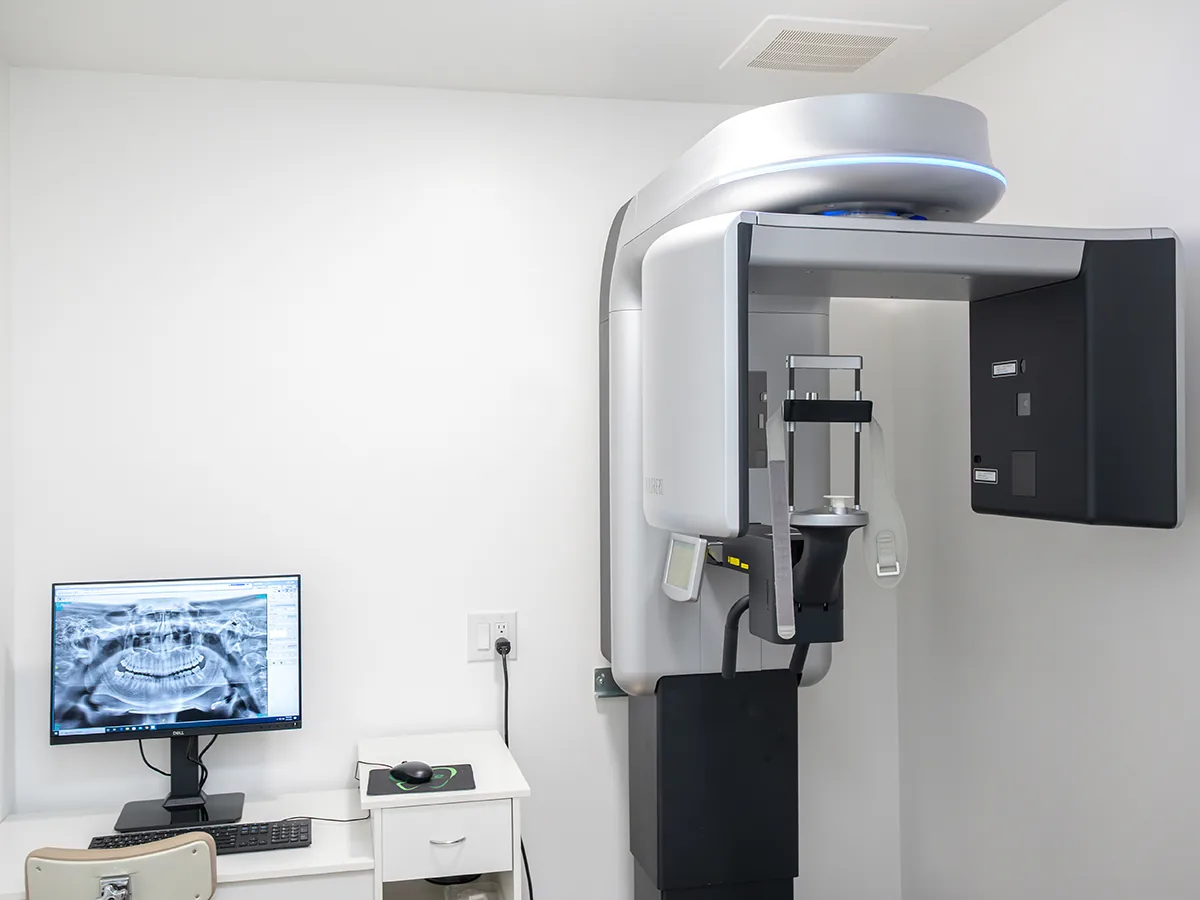
Preparation starts with imaging, usually a 3D scan that maps your bone and sinus. That scan shows exactly how much bone is missing and how much graft material is needed. You may be asked to pause certain medications or arrange a ride if you choose sedation. A little planning up front makes the day itself simple and predictable.
Building a Foundation for Your Smile
A sinus lift may sound daunting, but it is really just the groundwork that makes a lasting implant possible. It sets the stage so your future implant has strong, healthy bone to hold onto. With enough bone in place, your upper jaw can support an implant that looks and feels natural for years.
- If you want to learn more about what a sinus lift involves, visit our Sinus Lift in Rancho Santa Margarita, CA, page or schedule a consultation.